

Cleveland, Ohio, is located on the southern shore of Lake Erie and experiences a continental climate significantly influenced by the Great Lakes system. The city’s proximity to Lake Erie creates distinct weather patterns that affect temperature, precipitation, and seasonal transitions throughout the year. Cleveland experiences four distinct seasons with notable variations in temperature, precipitation, and weather conditions.
Winter months typically feature cold temperatures and significant snowfall due to lake-effect snow from Lake Erie. Spring brings gradual warming and variable precipitation patterns. Summer months are generally warm with moderate humidity levels, while fall is characterized by cooling temperatures and changing foliage.
The Great Lakes influence moderates extreme temperatures, creating milder conditions than would otherwise occur at this latitude, while also contributing to increased precipitation and cloud cover during certain periods of the year.
Key Takeaways
- Cleveland experiences distinct seasonal weather with cold winters and warm summers.
- Winters are often snowy and chilly, requiring warm clothing and preparation.
- Spring brings milder temperatures but can be unpredictable with rain showers.
- Summers are warm and humid, ideal for outdoor activities but sometimes hot.
- Fall features cooler temperatures and colorful foliage, while extreme weather events can occur year-round.
Winter Weather in Cleveland
Winter in Cleveland typically spans from late November through March, bringing with it cold temperatures and significant snowfall. Average temperatures during this season can range from the low 20s to mid-30s Fahrenheit, but wind chill can make it feel even colder. Snowfall is a common occurrence, with the city receiving an average of 60 inches of snow each year.
This can lead to picturesque winter landscapes but also presents challenges for travel and outdoor activities. The lake effect snow phenomenon is particularly notable in Cleveland during winter months. As cold air moves over the warmer waters of Lake Erie, it picks up moisture and deposits it as snow when it reaches the colder land.
This can result in heavy snowfalls in certain areas while others may experience little to no accumulation. Residents often find themselves shoveling driveways and sidewalks, while children eagerly await snow days to enjoy sledding and building snowmen. It’s essential to stay informed about weather forecasts during this time to ensure safety and preparedness.
Spring Weather in Cleveland
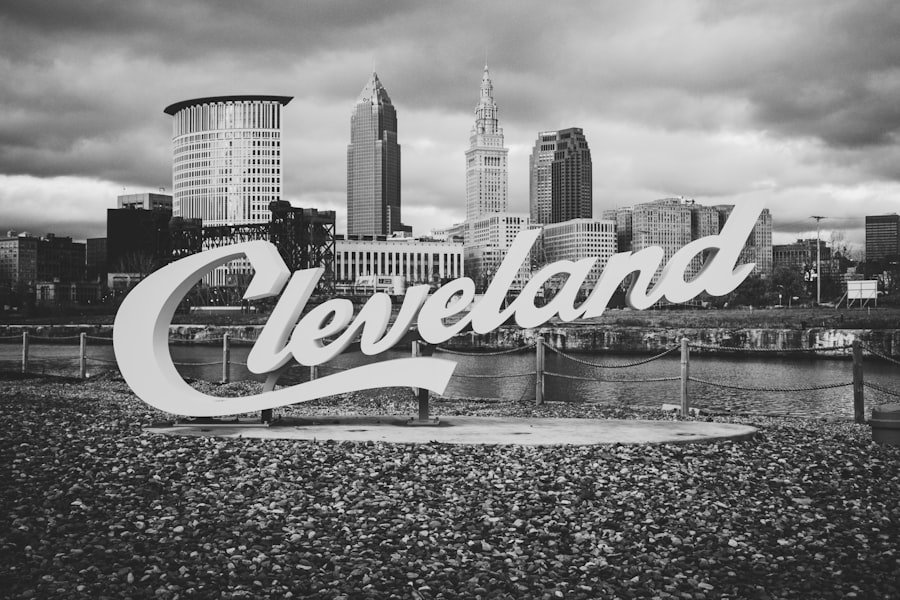
As winter fades away, spring emerges in Cleveland, typically from March through May. This season is marked by a gradual warming trend, with temperatures rising from the chilly 40s in early March to the pleasant 60s and 70s by late May. Spring is a time of renewal, as flowers bloom and trees regain their lush green foliage.
However, it’s also a season of unpredictability, with fluctuating temperatures and occasional rain showers. Rain is a common feature of spring weather in Cleveland, as the city experiences an average of 3-4 inches of precipitation each month during this time. Thunderstorms can also occur, particularly in late spring, bringing heavy rain and gusty winds.
While these storms can be intense, they are often brief, allowing for plenty of opportunities to enjoy the outdoors once the skies clear. Spring is an ideal time for residents to engage in gardening, outdoor sports, and community events as the city comes alive after the long winter months.
Summer Weather in Cleveland
Summer in Cleveland is characterized by warm temperatures and increased humidity, typically lasting from June through August. Average high temperatures can reach into the 80s and even low 90s Fahrenheit on particularly hot days. The warmth invites residents to take advantage of outdoor activities such as visiting parks, attending festivals, or enjoying a day at the beach along Lake Erie.
While summer brings plenty of sunshine, it also comes with its share of thunderstorms. These storms can develop quickly due to the heat and humidity, often resulting in heavy downpours and strong winds. It’s important for residents to stay vigilant during this time and monitor weather alerts for any severe storm warnings.
Despite these occasional disruptions, summer remains a beloved season in Cleveland, filled with opportunities for fun and relaxation.
Fall Weather in Cleveland
| Metric | Value | Unit |
|---|---|---|
| Average High Temperature (July) | 83 | °F |
| Average Low Temperature (January) | 22 | °F |
| Annual Precipitation | 39.1 | inches |
| Average Snowfall | 58.1 | inches |
| Average Humidity | 70 | % |
| Average Wind Speed | 9.2 | mph |
| Sunshine Hours (Annual) | 2,500 | hours |
As summer transitions into fall, Cleveland experiences a beautiful display of changing leaves and cooler temperatures. Fall typically spans from September through November, with temperatures gradually dropping from the comfortable 70s in early September to the chilly 40s by late November.
Fall weather can be quite variable in Cleveland, with sunny days interspersed with rainy ones. The city receives an average of 2-3 inches of rainfall each month during this time. As Halloween approaches, residents often enjoy outdoor activities such as apple picking and visiting pumpkin patches.
The crisp air and colorful scenery make fall a favorite season for many Clevelanders, providing ample opportunities for outdoor gatherings and festivities.
Extreme Weather in Cleveland
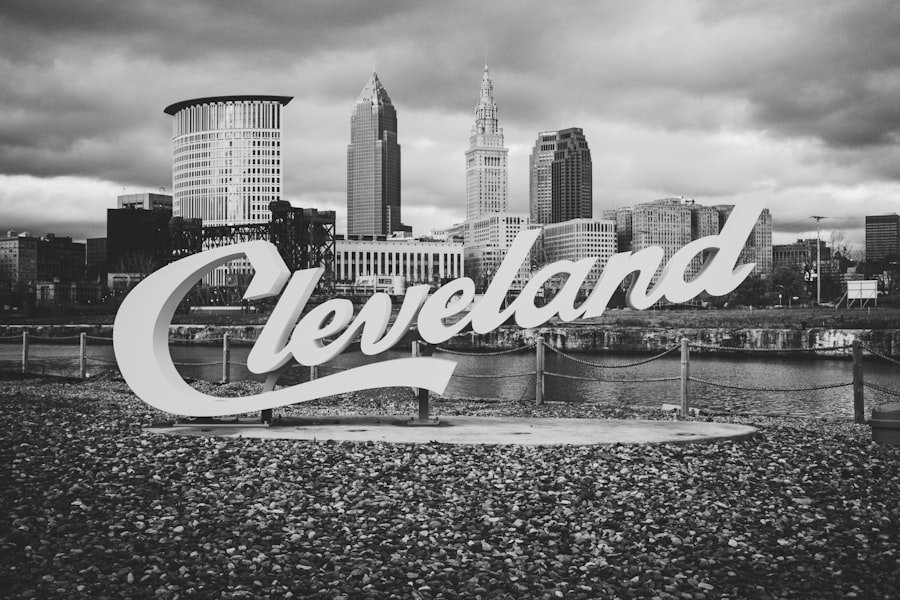
Cleveland is not immune to extreme weather events that can occur throughout the year. While winter storms are common, severe thunderstorms can also pose risks during the warmer months. Tornadoes are rare but have been known to touch down in the region on occasion.
Additionally, heatwaves can occur during summer months when temperatures soar above normal levels. Residents should remain aware of potential weather alerts issued by local authorities during extreme weather events. It’s crucial to have an emergency plan in place that includes provisions for severe storms or power outages.
Tips for Dressing for Cleveland Weather
Dressing appropriately for Cleveland’s varied weather is essential for comfort and safety throughout the year. In winter, layering is key; wearing thermal undergarments beneath sweaters and coats can help retain body heat while allowing for flexibility indoors. Waterproof boots are also advisable to navigate snowy sidewalks and slushy streets.
During spring and fall, it’s wise to dress in layers as well since temperatures can fluctuate significantly throughout the day. A light jacket or sweater can be useful for cooler mornings or evenings while still allowing for comfort during warmer afternoons. In summer, breathable fabrics such as cotton or linen are ideal for staying cool in the heat; don’t forget sunscreen and hats to protect against sunburn.
Conclusion and Recap of Cleveland Weather Expectations
In conclusion, Cleveland’s weather is as diverse as its culture and community. Each season offers unique experiences that reflect the beauty of nature while presenting challenges that require preparation and adaptability. From snowy winters that create a winter wonderland to vibrant springs filled with blooming flowers, warm summers perfect for outdoor fun, and colorful autumns that showcase nature’s artistry—Cleveland truly has something for everyone.
Understanding what to expect from Cleveland’s weather throughout the year allows residents and visitors alike to embrace each season fully. By dressing appropriately and staying informed about changing conditions, individuals can enjoy all that this remarkable city has to offer while navigating its ever-changing climate with confidence. Whether you’re shoveling snow or soaking up the sun at a summer festival, Cleveland’s weather is an integral part of what makes this city so special.
FAQs
What is the typical climate of Cleveland?
Cleveland has a humid continental climate, characterized by four distinct seasons including cold, snowy winters and warm, humid summers.
How cold does it get in Cleveland during winter?
Winter temperatures in Cleveland often range from the low 20s to mid-30s Fahrenheit (-6 to 2°C), but can occasionally drop below zero Fahrenheit (-18°C) during cold spells.
Does Cleveland experience a lot of snowfall?
Yes, Cleveland receives significant snowfall each winter, averaging around 60 inches (152 cm) annually, largely due to lake-effect snow from Lake Erie.
What are the summer temperatures like in Cleveland?
Summer temperatures in Cleveland typically range from the mid-70s to mid-80s Fahrenheit (24-30°C), with occasional heat waves pushing temperatures into the 90s (32+°C).
Is Cleveland prone to severe weather?
Cleveland can experience severe weather such as thunderstorms, occasional tornadoes, and heavy snowstorms, especially during transitional seasons like spring and fall.
When is the best time to visit Cleveland for pleasant weather?
The best time to visit Cleveland for mild and pleasant weather is generally late spring through early fall, from May to September, when temperatures are comfortable and outdoor activities are enjoyable.
How does Lake Erie affect Cleveland’s weather?
Lake Erie influences Cleveland’s weather by moderating temperatures slightly and contributing to lake-effect snow in winter, which can lead to localized heavy snowfall in the area.
What is the average annual precipitation in Cleveland?
Cleveland receives about 38 to 42 inches (965 to 1067 mm) of precipitation annually, distributed fairly evenly throughout the year.