
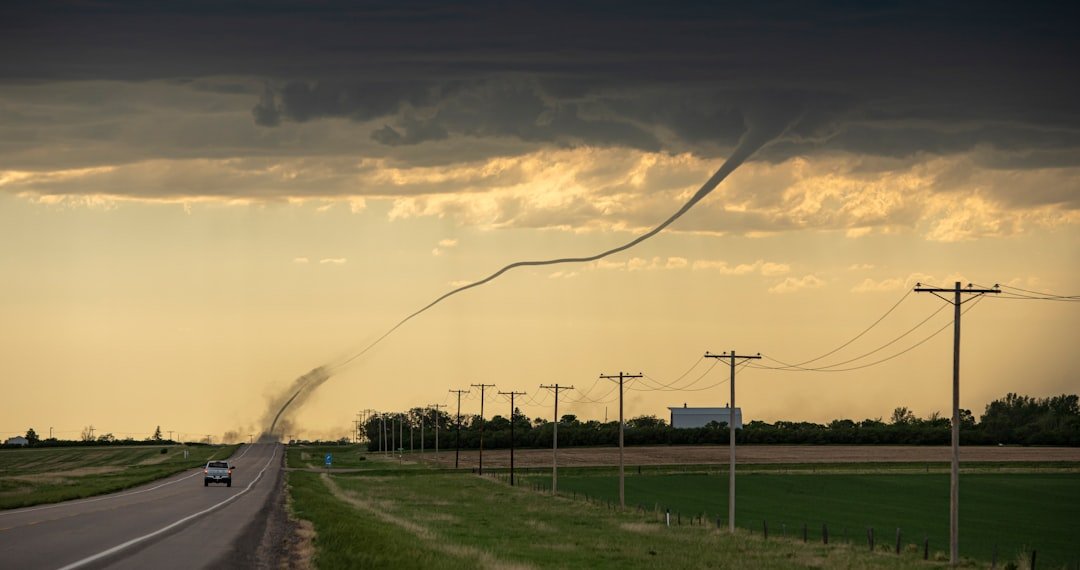
Severe thunderstorms are meteorological events that produce one or more of the following conditions: winds exceeding 58 mph (93 km/h), hail with a diameter of at least 1 inch (2.5 cm), or tornadoes. These storms form when atmospheric conditions create strong vertical air currents, typically occurring when warm, humid air near the surface encounters cooler, drier air aloft. This temperature differential generates instability that fuels the development of cumulonimbus clouds, which can extend vertically through multiple atmospheric layers and reach heights of 40,000 to 60,000 feet.
The formation process begins with convective initiation, where surface heating or atmospheric lifting mechanisms cause air parcels to rise. As the warm air ascends, it cools and water vapor condenses, releasing latent heat that further accelerates upward motion. The resulting updrafts can reach velocities of 100 mph or more in supercell thunderstorms, the most severe type of thunderstorm system.
Severe thunderstorms cause approximately $15 billion in property damage annually in the United States. Straight-line winds can reach speeds of 100 mph, causing structural damage equivalent to EF0 or EF1 tornadoes. Hailstones form when raindrops are repeatedly carried upward by strong updrafts and freeze in layers, with the largest recorded hailstone measuring 8 inches in diameter.
Tornadoes develop in approximately 20% of supercell thunderstorms when wind shear creates rotating updrafts called mesocyclones.
Key Takeaways
- Severe thunderstorms are intense storms with heavy rain, strong winds, hail, and lightning.
- Key signs include dark clouds, frequent lightning, loud thunder, and sudden wind gusts.
- Safety measures involve seeking shelter indoors, avoiding windows, and staying away from electrical appliances.
- An emergency kit should include water, non-perishable food, flashlight, batteries, and a first aid kit.
- Stay updated through weather alerts and follow official guidance before, during, and after the storm.
Signs of a Severe Thunderstorm
Identifying the signs of an impending severe thunderstorm can provide valuable time for preparation and safety measures. One of the most common indicators is the sudden change in weather conditions. You may notice darkening skies, an increase in wind speed, or a drop in temperature.
These changes often signal that a storm is approaching. Additionally, the presence of cumulonimbus clouds, which appear as towering, anvil-shaped formations, is a clear sign that severe weather may be on the way. Another telltale sign is the sound of thunder.
While distant rumbles may indicate a storm far away, loud claps of thunder suggest that the storm is closer and potentially more severe. If you observe lightning flashing frequently, it’s a strong indication that a thunderstorm is imminent. Furthermore, if local weather reports or alerts indicate a severe thunderstorm watch or warning, it’s crucial to take these advisories seriously and prepare accordingly.
Safety Precautions During a Severe Thunderstorm
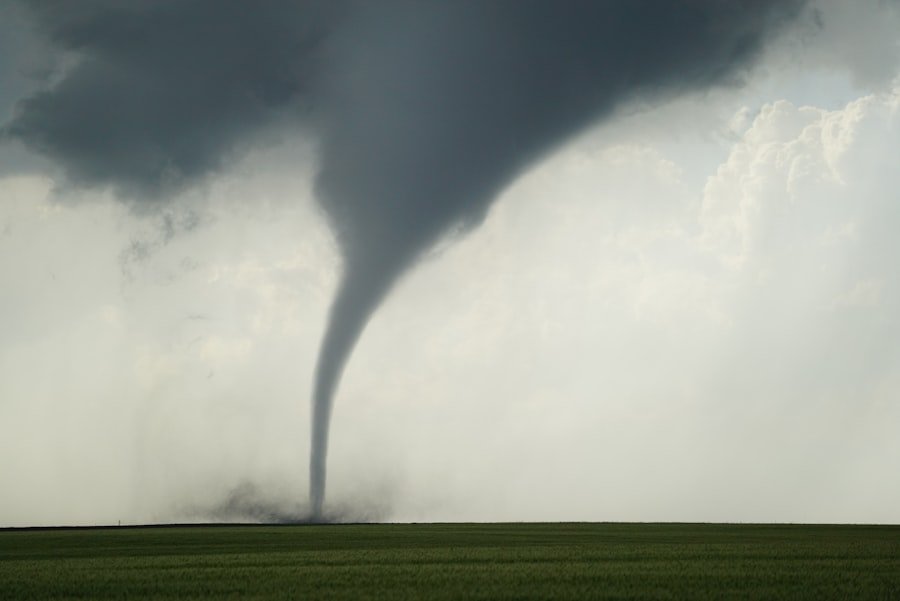
When a severe thunderstorm strikes, taking immediate safety precautions can make all the difference in protecting yourself and your loved ones. The first step is to seek shelter indoors. Ideally, you should stay in a sturdy building away from windows and doors.
If you are in a mobile home or temporary structure, it’s best to move to a more secure location, such as a basement or an interior room on the lowest floor. Avoiding windows is essential, as flying debris can shatter glass and cause injury. In addition to finding shelter, it’s important to stay informed about the storm’s progress.
Keep a battery-powered weather radio or a smartphone app handy to receive real-time updates from local meteorological services. If you are caught outside during a storm, avoid seeking shelter under trees, as they can be struck by lightning or fall during high winds. Instead, look for low-lying areas to lie down in until the storm passes.
Remember that safety should always be your top priority during severe weather events.
Creating a Severe Thunderstorm Emergency Kit
Preparing an emergency kit is an essential step in ensuring your safety during severe thunderstorms. This kit should contain all the necessary supplies to sustain you and your family for at least 72 hours in case of power outages or evacuation orders. Start by including non-perishable food items such as canned goods, granola bars, and dried fruits.
Don’t forget to pack enough water for each person in your household—at least one gallon per person per day. In addition to food and water, your emergency kit should include essential items like flashlights with extra batteries, a first aid kit, and any necessary medications. It’s also wise to have important documents stored in a waterproof container, including identification, insurance policies, and medical records.
Consider adding comfort items such as blankets or toys for children and pets to help ease anxiety during stressful situations. Regularly check and update your emergency kit to ensure that all items are fresh and functional.
What to Do During a Severe Thunderstorm Warning
| Metric | Description | Typical Values |
|---|---|---|
| Wind Speed | Maximum sustained wind speeds associated with the thunderstorm | 58 mph (50 knots) or higher |
| Hail Size | Diameter of hailstones expected or observed | 1 inch (quarter size) or larger |
| Duration | Length of time the warning is in effect | Typically 30 minutes to 1 hour |
| Probability of Occurrence | Likelihood of severe thunderstorm conditions occurring | High (usually above 70%) |
| Threats | Potential hazards associated with the warning | Damaging winds, large hail, heavy rain, lightning |
| Area Covered | Geographic region under the warning | Typically several counties or parts of a state |
| Lead Time | Time between warning issuance and expected storm impact | Usually 10 to 30 minutes |
When a severe thunderstorm warning is issued, it’s crucial to take immediate action to protect yourself and your family. First and foremost, move to your designated safe area if you haven’t already done so. This could be a basement or an interior room without windows.
If you are in a vehicle when the warning is issued, find shelter in a sturdy building if possible; otherwise, stay low in your vehicle with your seatbelt fastened until the storm passes. During the storm, avoid using electrical appliances and devices to reduce the risk of electrical shock from lightning strikes. Unplugging sensitive electronics can also help protect them from power surges caused by lightning.
Stay tuned to local news or weather updates through your battery-powered radio or smartphone for information on the storm’s progression and any potential evacuation orders. Remaining calm and focused will help you make better decisions during this stressful time.
After the Severe Thunderstorm
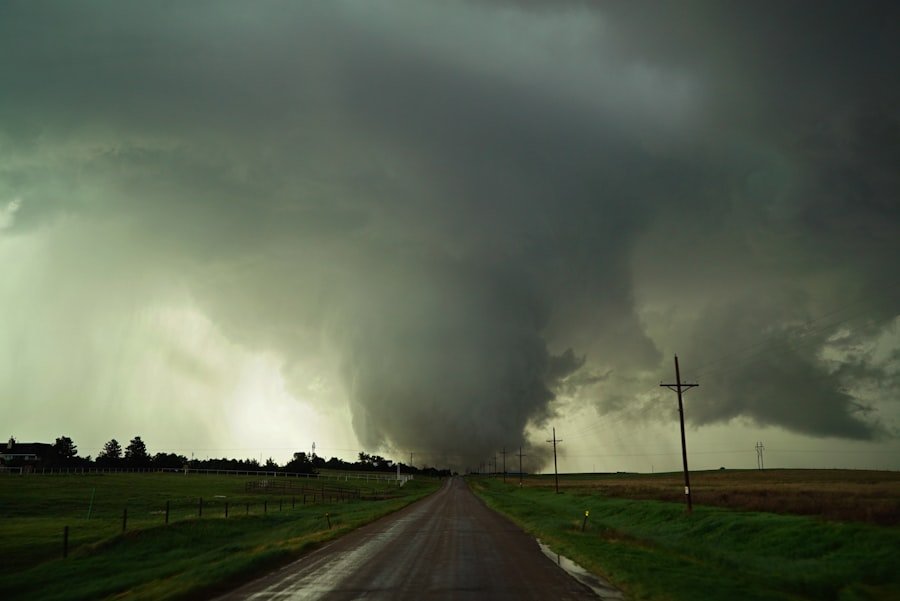
Once the severe thunderstorm has passed, it’s important to assess your surroundings carefully before venturing outside. Check for any hazards such as downed power lines, fallen trees, or structural damage to your home. If you encounter downed power lines, stay at least 30 feet away and report them to your local utility company immediately.
Avoid walking through flooded areas as they may conceal dangerous debris or pose risks of electrocution. If your property has sustained damage, document it with photographs for insurance purposes before making any repairs. Contact your insurance company as soon as possible to report the damage and begin the claims process.
Additionally, be mindful of any lingering weather threats; sometimes storms can spawn additional severe weather events like tornadoes or flash floods even after the initial storm has passed.
Staying Informed About Severe Thunderstorms
Staying informed about severe thunderstorms is vital for effective preparedness and response. Regularly check local weather forecasts through reliable sources such as the National Weather Service or local news stations. Many communities also offer alert systems that send notifications via text or email when severe weather warnings are issued.
Signing up for these alerts can provide you with timely information about approaching storms. Social media platforms can also be valuable resources for real-time updates from meteorologists and emergency management agencies. However, it’s essential to verify information from credible sources before acting on it.
Understanding how to interpret weather alerts—such as watches versus warnings—can help you gauge the severity of an approaching storm and take appropriate action.
Resources for Severe Thunderstorm Preparedness
There are numerous resources available to help individuals and families prepare for severe thunderstorms effectively. The Federal Emergency Management Agency (FEMA) offers comprehensive guides on emergency preparedness that cover everything from creating emergency kits to developing family communication plans during disasters. Their website provides valuable information tailored to various types of emergencies.
Local community organizations often host workshops on disaster preparedness that can equip residents with essential skills and knowledge. Additionally, many libraries offer free access to books and materials on emergency preparedness topics. Engaging with local emergency management agencies can also provide insights into specific risks in your area and how best to prepare for them.
In conclusion, understanding severe thunderstorms and their potential impacts is crucial for ensuring safety during these powerful weather events. By recognizing signs of impending storms, taking appropriate safety precautions, preparing emergency kits, and staying informed through reliable resources, individuals can significantly reduce risks associated with severe thunderstorms. Remember that preparedness is key; being proactive can make all the difference when facing nature’s fury.
FAQs
What is a severe thunderstorm warning?
A severe thunderstorm warning is an alert issued by weather authorities when a thunderstorm is occurring or imminent in the area, and it poses a threat due to high winds, large hail, or heavy rainfall.
How is a severe thunderstorm warning different from a watch?
A severe thunderstorm watch means conditions are favorable for severe thunderstorms to develop, while a warning means a severe thunderstorm is already happening or about to happen and immediate action should be taken.
What hazards are associated with a severe thunderstorm warning?
Hazards can include damaging winds of 58 mph or higher, hail one inch in diameter or larger, heavy rainfall leading to flash flooding, and frequent lightning.
What should I do when a severe thunderstorm warning is issued?
Seek shelter indoors away from windows, avoid using electrical appliances, stay informed through weather updates, and avoid driving unless necessary.
How long does a severe thunderstorm warning typically last?
Warnings usually last for 30 minutes to an hour but can be extended or updated depending on the storm’s behavior.
Where can I receive severe thunderstorm warnings?
Warnings are broadcast on television, radio, weather apps, NOAA Weather Radio, and emergency alert systems on mobile devices.
Can severe thunderstorms cause tornadoes?
Yes, severe thunderstorms can produce tornadoes, but a tornado warning is issued separately when a tornado is detected or imminent.
Are severe thunderstorm warnings issued nationwide?
Yes, the National Weather Service issues severe thunderstorm warnings across the United States wherever severe weather conditions are detected.
What is the difference between a severe thunderstorm and a regular thunderstorm?
A severe thunderstorm meets specific criteria such as producing hail at least one inch in diameter, wind gusts of 58 mph or greater, or causing significant damage, whereas a regular thunderstorm may not have these severe characteristics.
How can I prepare for severe thunderstorms?
Prepare by securing outdoor objects, having an emergency kit ready, knowing safe shelter locations, and staying informed about weather conditions.