
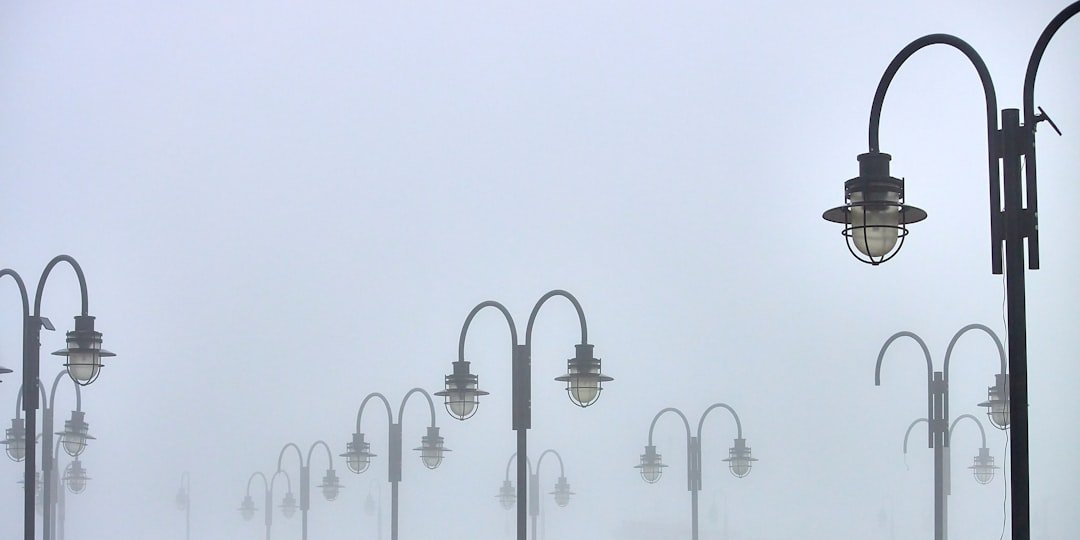
New York City is known for its vibrant culture, bustling streets, and iconic skyline, but it is also notorious for its unpredictable weather patterns. The city’s unique geographical location plays a significant role in this variability. Nestled between the Atlantic Ocean and the Appalachian Mountains, NYC experiences a blend of maritime and continental climates.
This means that weather systems can shift rapidly, influenced by ocean currents, wind patterns, and atmospheric pressure changes. The proximity to the ocean often brings moisture-laden air, while the mountains can create barriers that trap weather systems, leading to sudden shifts in temperature and precipitation. Additionally, urbanization has contributed to the unpredictability of weather in NYC.
This phenomenon can create microclimates within the city, where certain areas may experience different weather conditions than others. For instance, while one neighborhood may be basking in sunshine, another just a few blocks away could be caught in a sudden downpour.
Understanding these causes is essential for residents to navigate the challenges posed by NYC’s ever-changing weather.
Key Takeaways
- Unpredictable weather in NYC is caused by complex atmospheric conditions and climate change.
- Daily life and transportation in NYC are significantly disrupted by sudden weather changes.
- Preparing for NYC’s weather involves staying informed and having adaptable clothing and plans.
- Safety measures are crucial to navigate hazards during extreme and unexpected weather events.
- Ongoing climate change necessitates adaptation strategies to manage future weather unpredictability.
Impact of Unpredictable Weather on Daily Life in NYC
The unpredictable nature of NYC’s weather can significantly impact daily life for its residents. From commuting to work to planning outdoor activities, the whims of Mother Nature can throw a wrench into even the best-laid plans. For instance, a sunny morning can quickly turn into a torrential downpour by afternoon, leaving commuters drenched and unprepared.
This unpredictability can lead to increased stress levels as people scramble to adjust their schedules and find alternative routes or modes of transportation. Moreover, the impact of unpredictable weather extends beyond mere inconvenience. It can affect public health and safety as well.
Sudden temperature drops can lead to hypothermia or frostbite for those exposed to the elements without proper clothing. Conversely, heatwaves can pose serious health risks, particularly for vulnerable populations such as the elderly or those with pre-existing health conditions. The city’s infrastructure must also adapt to these changes; heavy rainfall can overwhelm drainage systems, leading to flooding that disrupts businesses and homes alike.
How to Prepare for Unpredictable Weather in NYC

Preparation is key when it comes to navigating the unpredictable weather of New York City. One of the most effective strategies is to stay informed about current and upcoming weather conditions. Utilizing weather apps or local news stations can provide real-time updates that help residents plan their day accordingly.
Keeping an eye on forecasts not only allows individuals to dress appropriately but also helps them make informed decisions about travel and outdoor activities. In addition to staying informed, having an emergency kit at home is a wise precaution. This kit should include essentials such as bottled water, non-perishable food items, flashlights, batteries, and a first-aid kit.
In the event of severe weather conditions like storms or blizzards, having these supplies on hand can make a significant difference. Furthermore, residents should consider creating a family communication plan that outlines how to stay in touch during emergencies, ensuring that everyone knows what to do and where to go if conditions worsen.
Tips for Dressing Appropriately for Unpredictable Weather in NYC
Dressing appropriately for NYC’s unpredictable weather is crucial for comfort and safety. Layering is one of the best strategies to adapt to fluctuating temperatures throughout the day. By wearing multiple layers, individuals can easily add or remove clothing as needed.
A lightweight base layer made of moisture-wicking fabric can help keep sweat away from the skin, while an insulating layer provides warmth during cooler moments. Finally, a waterproof outer layer is essential for protection against rain or wind. Footwear also plays a vital role in staying comfortable during unpredictable weather.
Waterproof shoes or boots are advisable during rainy seasons, while breathable sneakers are ideal for warmer days. Additionally, accessories such as hats and scarves can provide extra warmth during colder months and protect against sun exposure during summer. By being mindful of clothing choices and preparing for various weather scenarios, New Yorkers can navigate their days with greater ease and confidence.
Transportation Challenges During Unpredictable Weather in NYC
| Date | Temperature (°F) | Humidity (%) | Precipitation (inches) | Wind Speed (mph) | Condition |
|---|---|---|---|---|---|
| 2024-06-20 | 78 | 65 | 0.00 | 10 | Partly Cloudy |
| 2024-06-21 | 82 | 60 | 0.05 | 12 | Light Rain |
| 2024-06-22 | 85 | 58 | 0.00 | 8 | Sunny |
| 2024-06-23 | 80 | 70 | 0.10 | 15 | Showers |
| 2024-06-24 | 77 | 75 | 0.00 | 7 | Cloudy |
Transportation in New York City can become particularly challenging during unpredictable weather events. Rain, snow, or extreme heat can disrupt public transit systems, leading to delays and cancellations that affect thousands of commuters daily. For instance, heavy snowfall can cause subway delays due to icy tracks or signal malfunctions, while rainstorms may lead to flooding on roadways that impede bus routes.
These disruptions not only inconvenience travelers but can also create safety hazards as people rush to find alternative transportation. Moreover, driving in adverse weather conditions poses its own set of challenges. Reduced visibility during heavy rain or snow can make navigating city streets treacherous.
Traffic accidents tend to increase during these times due to slippery roads and distracted drivers trying to adjust to changing conditions. For those who rely on rideshare services or taxis, surge pricing often accompanies inclement weather, making transportation more expensive when it’s needed most. Understanding these challenges can help residents plan their commutes more effectively and prioritize safety.
Safety Precautions for Unpredictable Weather in NYC

Safety should always be a top priority when dealing with unpredictable weather in New York City. One of the most important precautions is to stay indoors during severe weather events whenever possible. If a storm is forecasted, it’s wise to avoid unnecessary travel and stay updated on local advisories regarding road conditions and public transportation status.
For those who must venture out, being aware of surroundings and avoiding flooded areas is crucial for personal safety. In addition to staying informed about weather conditions, having a plan in place for emergencies is essential. This includes knowing evacuation routes if necessary and having access to emergency services contact numbers.
It’s also beneficial to keep a portable phone charger handy in case of power outages during storms. By taking these precautions seriously and preparing ahead of time, residents can significantly reduce their risk during unpredictable weather events.
Resources for Staying Informed About Unpredictable Weather in NYC
Staying informed about unpredictable weather is vital for New Yorkers looking to navigate their daily lives effectively. Numerous resources are available for residents seeking timely updates on weather conditions. Local news stations provide regular forecasts and alerts through television broadcasts and online platforms.
Social media platforms also serve as valuable tools for staying informed about weather changes. Following local meteorologists or city agencies on platforms like Twitter can provide instant updates on severe weather warnings or changes in public transportation services.
Furthermore, community organizations often share information about local resources available during extreme weather events, such as shelters or food distribution centers. By utilizing these resources effectively, residents can stay ahead of unpredictable weather patterns.
The Future of Unpredictable Weather in NYC: Climate Change and Adaptation
As climate change continues to impact global weather patterns, New York City faces an uncertain future regarding its climate resilience. Rising temperatures and increased frequency of extreme weather events pose significant challenges for urban planning and infrastructure development. The city has already begun implementing adaptation strategies aimed at mitigating the effects of climate change on its residents and environment.
One such strategy involves investing in green infrastructure projects designed to manage stormwater runoff more effectively while enhancing urban green spaces. Initiatives like creating more parks or green roofs not only help absorb excess rainwater but also contribute positively to air quality and community well-being. Additionally, improving public transportation systems to withstand extreme weather events is crucial for ensuring that residents remain connected even during challenging times.
In conclusion, understanding the causes and impacts of unpredictable weather in New York City is essential for residents looking to navigate their daily lives effectively. By preparing adequately, dressing appropriately, and staying informed about changing conditions, individuals can enhance their resilience against the whims of Mother Nature while contributing positively to their community’s overall well-being amidst an evolving climate landscape.
FAQs
What is the typical climate of New York City?
New York City has a humid subtropical climate, characterized by hot, humid summers and cold winters with occasional snowfall.
When is the best time to visit NYC for pleasant weather?
The best times to visit NYC for pleasant weather are during the spring (April to June) and fall (September to early November) when temperatures are mild and comfortable.
How cold does it get in New York City during winter?
Winter temperatures in NYC typically range from 20°F to 40°F (-6°C to 4°C), but can occasionally drop below 20°F (-6°C) during cold spells.
Does New York City experience a lot of rainfall?
Yes, NYC receives an average of about 45 inches (114 cm) of precipitation annually, fairly evenly distributed throughout the year.
How often does New York City get snow?
Snowfall varies each year, but NYC generally receives around 25 to 30 inches (63 to 76 cm) of snow during the winter months.
Are there any extreme weather events common in NYC?
New York City can experience hurricanes, tropical storms, and nor’easters, especially in late summer and fall, which can bring heavy rain, strong winds, and flooding.
What should I wear when visiting NYC in summer?
In summer, lightweight, breathable clothing is recommended due to hot and humid conditions, along with sun protection like hats and sunscreen.
How does the weather affect outdoor activities in NYC?
Weather can impact outdoor activities; spring and fall offer ideal conditions, while winter may limit some activities due to cold and snow, and summer heat can be intense.
Where can I find up-to-date weather forecasts for New York City?
Up-to-date weather forecasts for NYC can be found on the National Weather Service website, local news stations, and various weather apps and websites.